| Marine and Port Facilities Projects | Power Generation Projects |
Municipal Water & Waste Water Projects
Biogenic sulfide corrosion occurs when dissolved hydrogen sulfide is stripped from the wastewater stream as a result of turbulence. Provided sufficient moisture and oxygen exist, sulfur oxidizing bacteria found above the wastewater system stream metabolize the hydrogen sulfide gas and reacts with oxygen to form sulfuric acid. The sulfuric acid subsequently attacks cement paste, as well as coated metals, resulting in rapid corrosion.
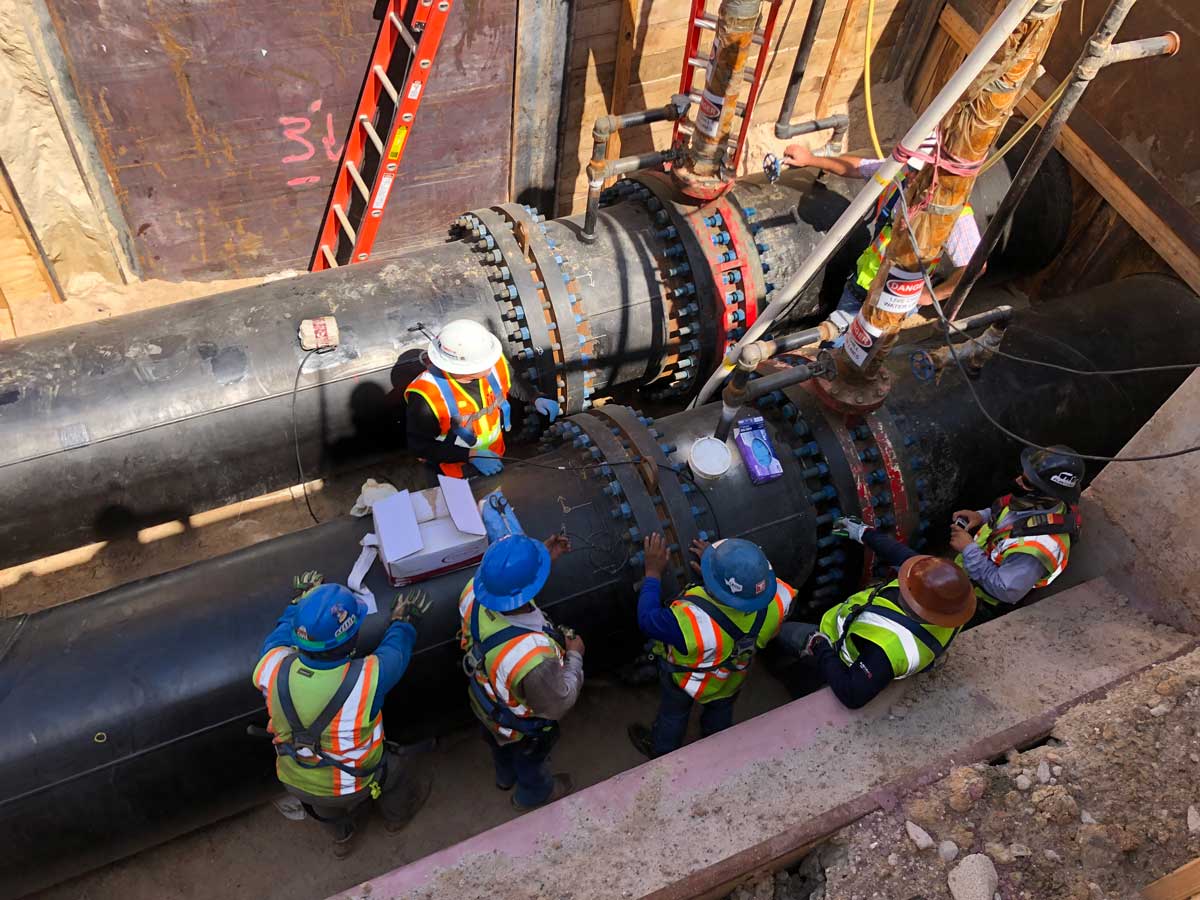
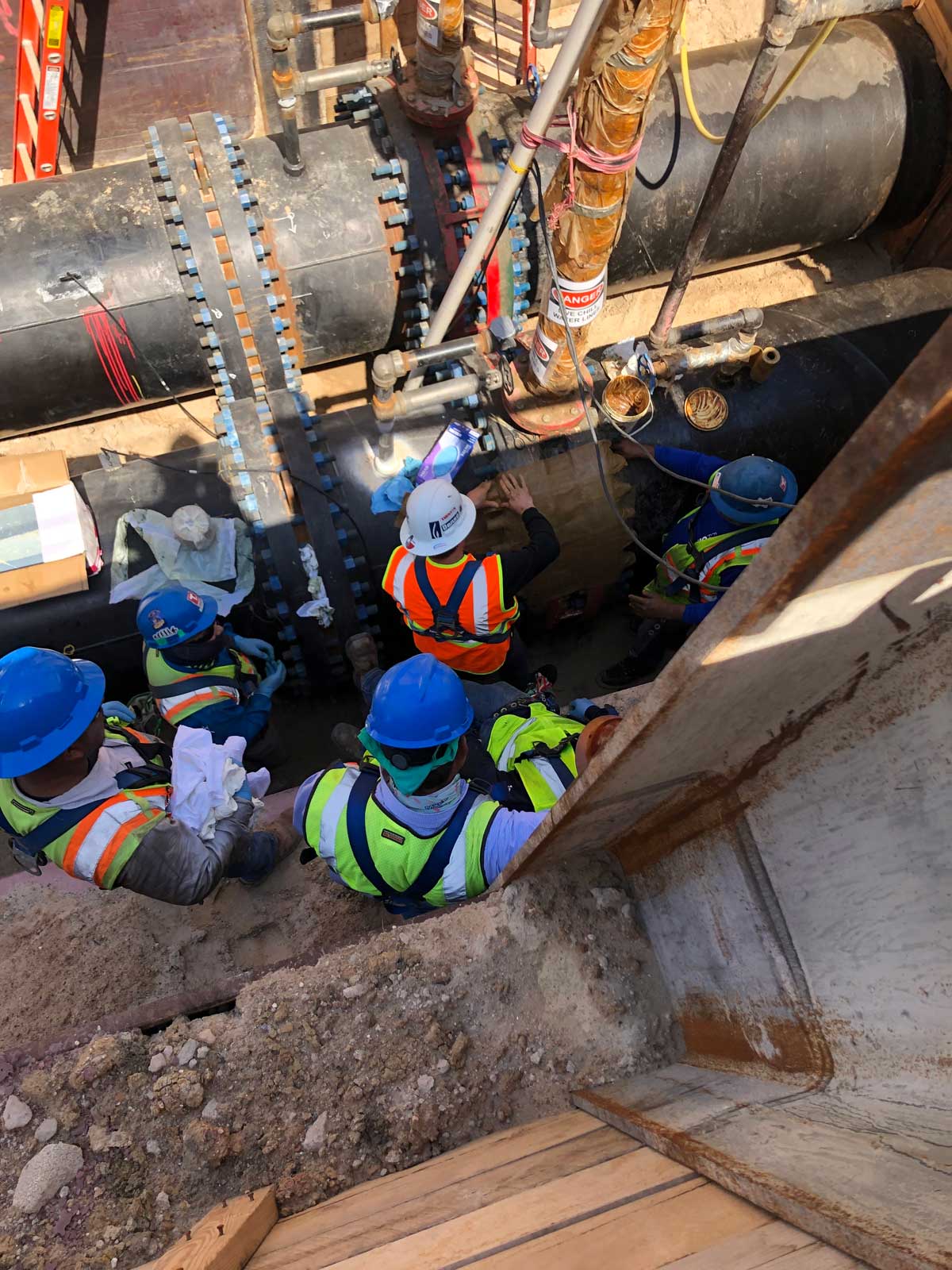
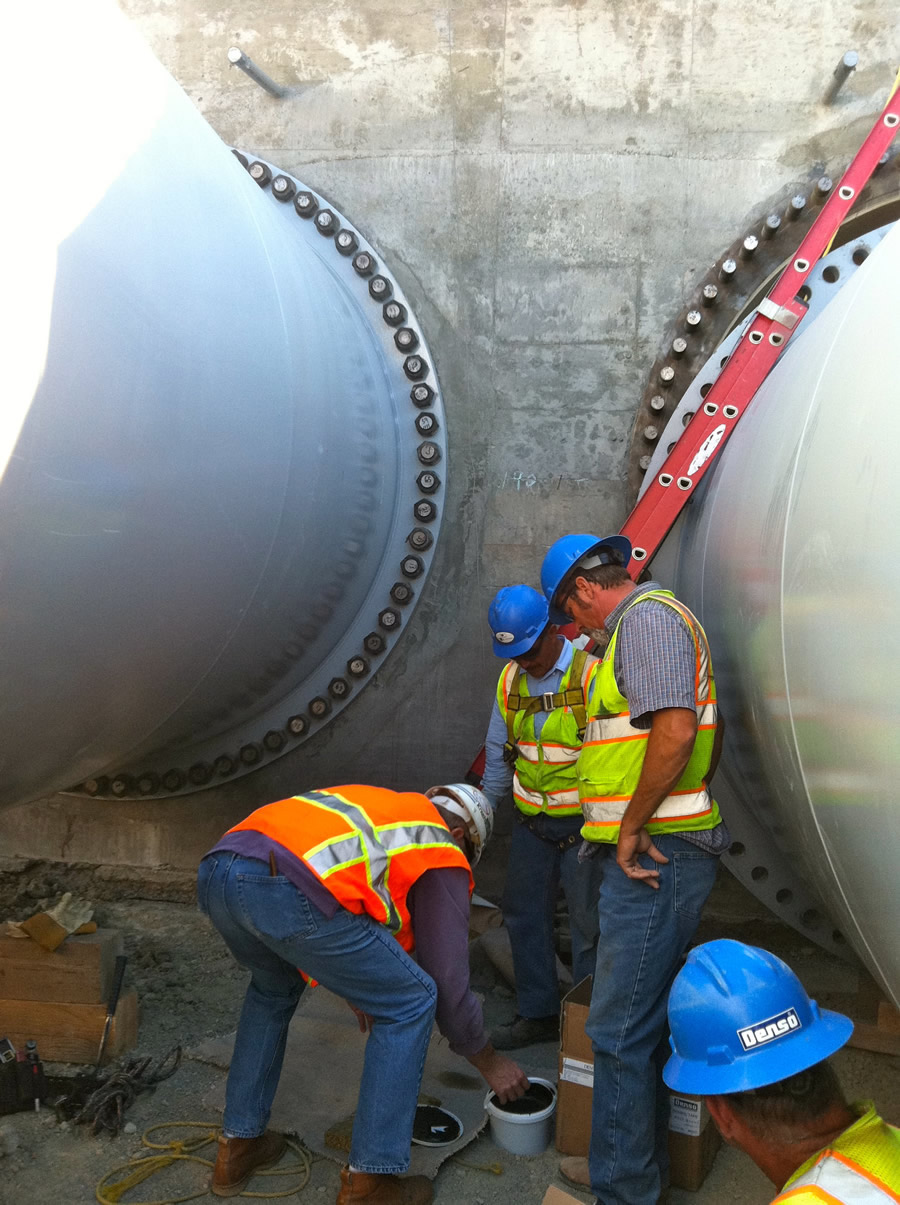
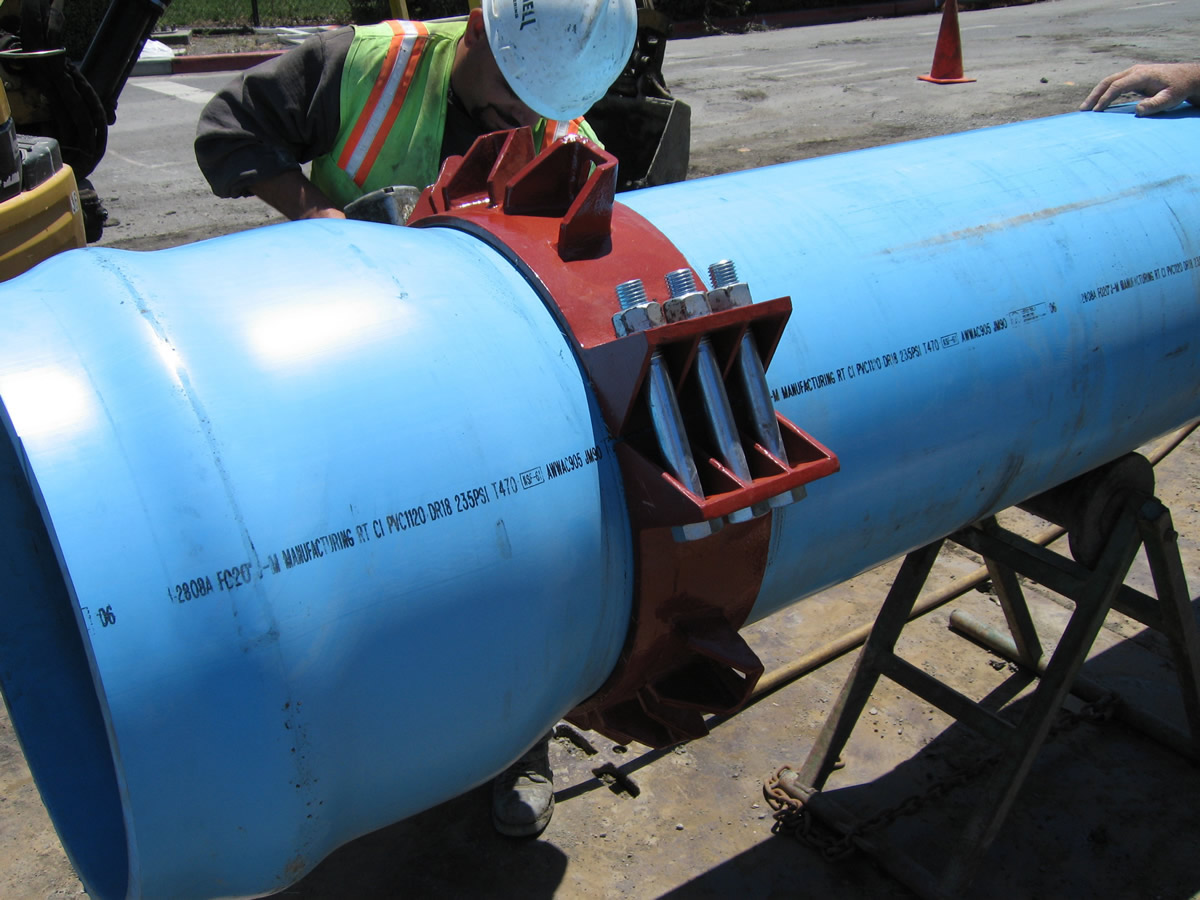
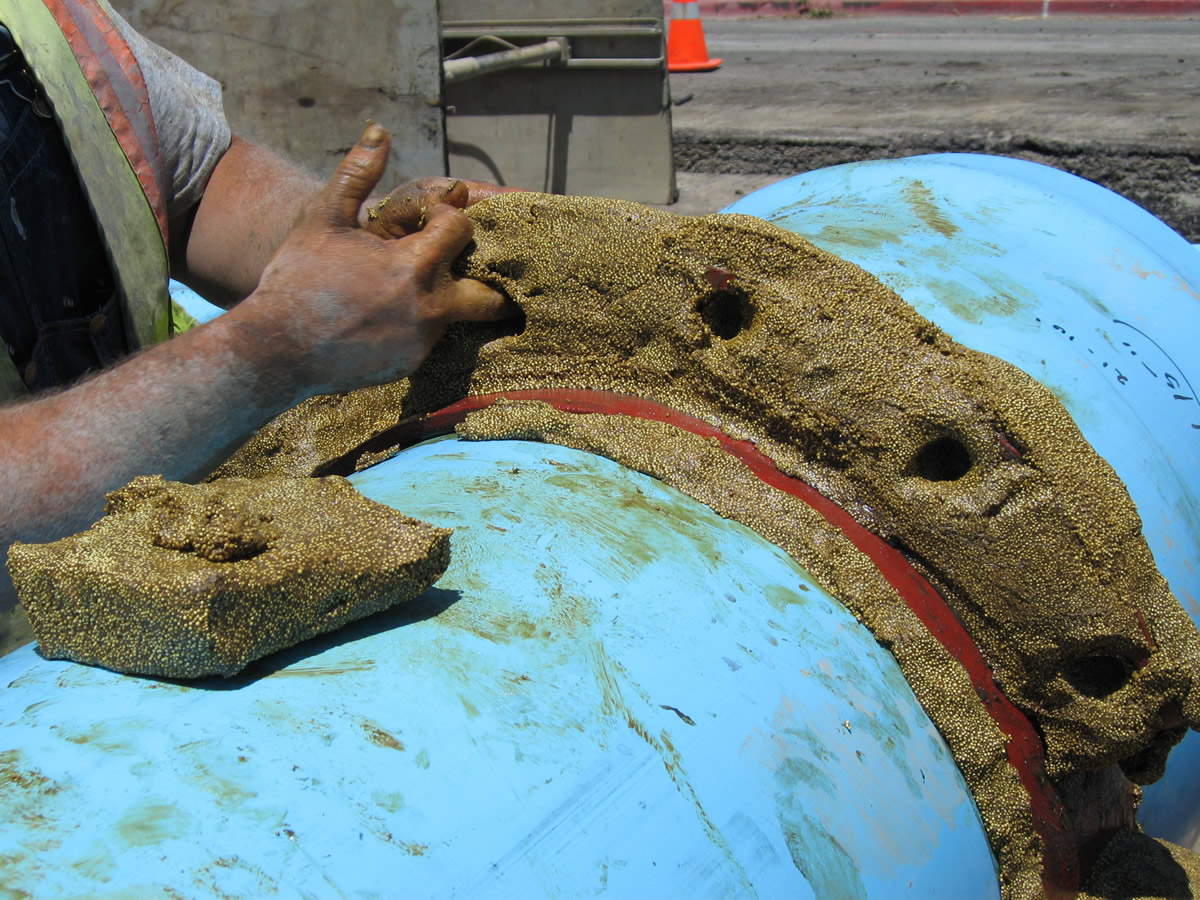
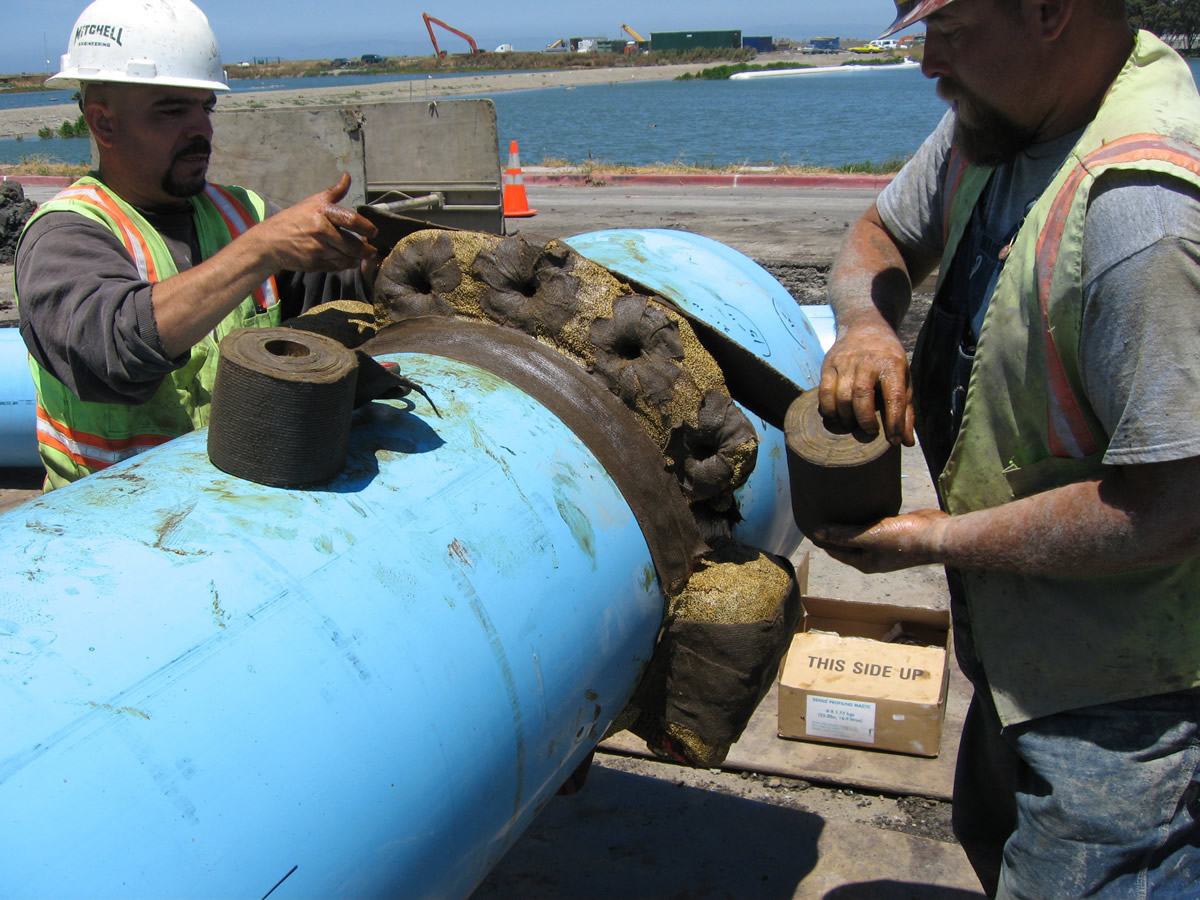
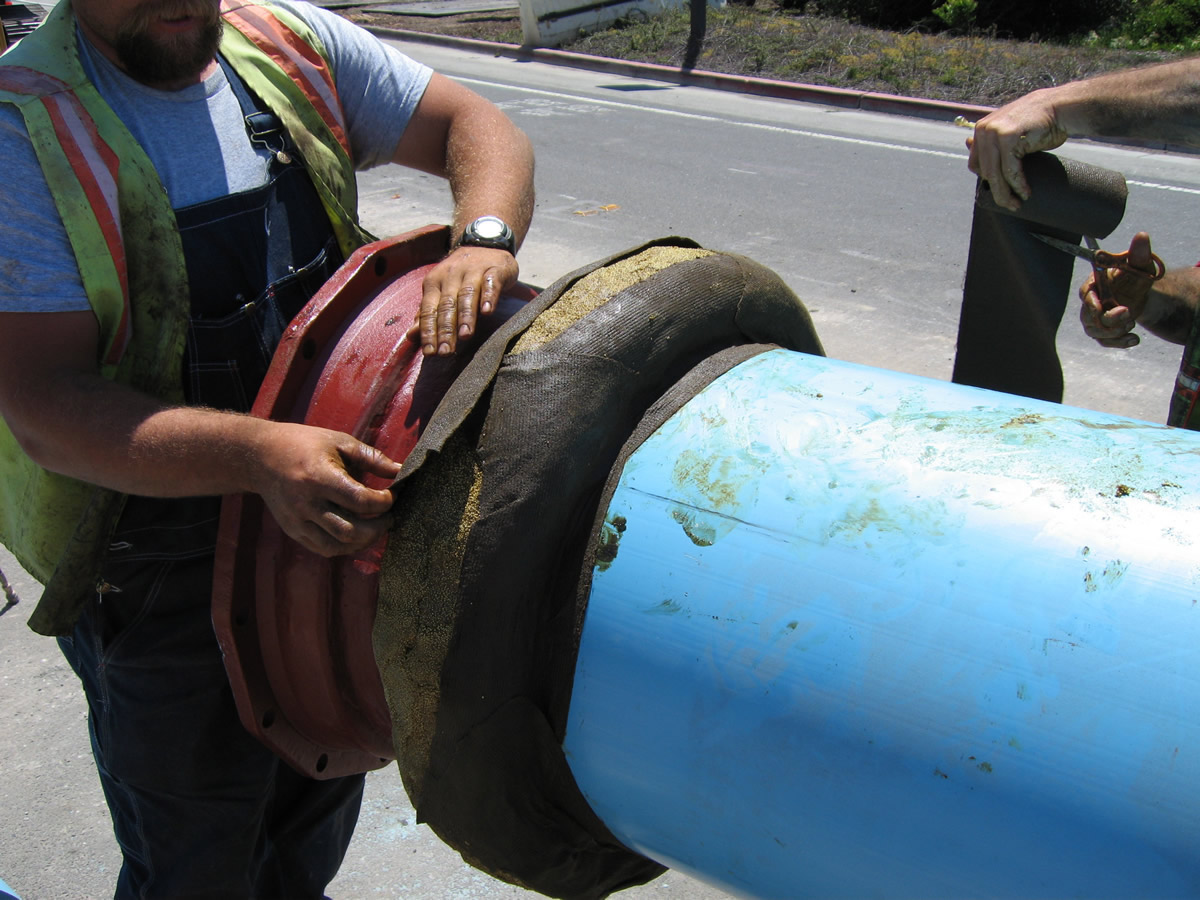
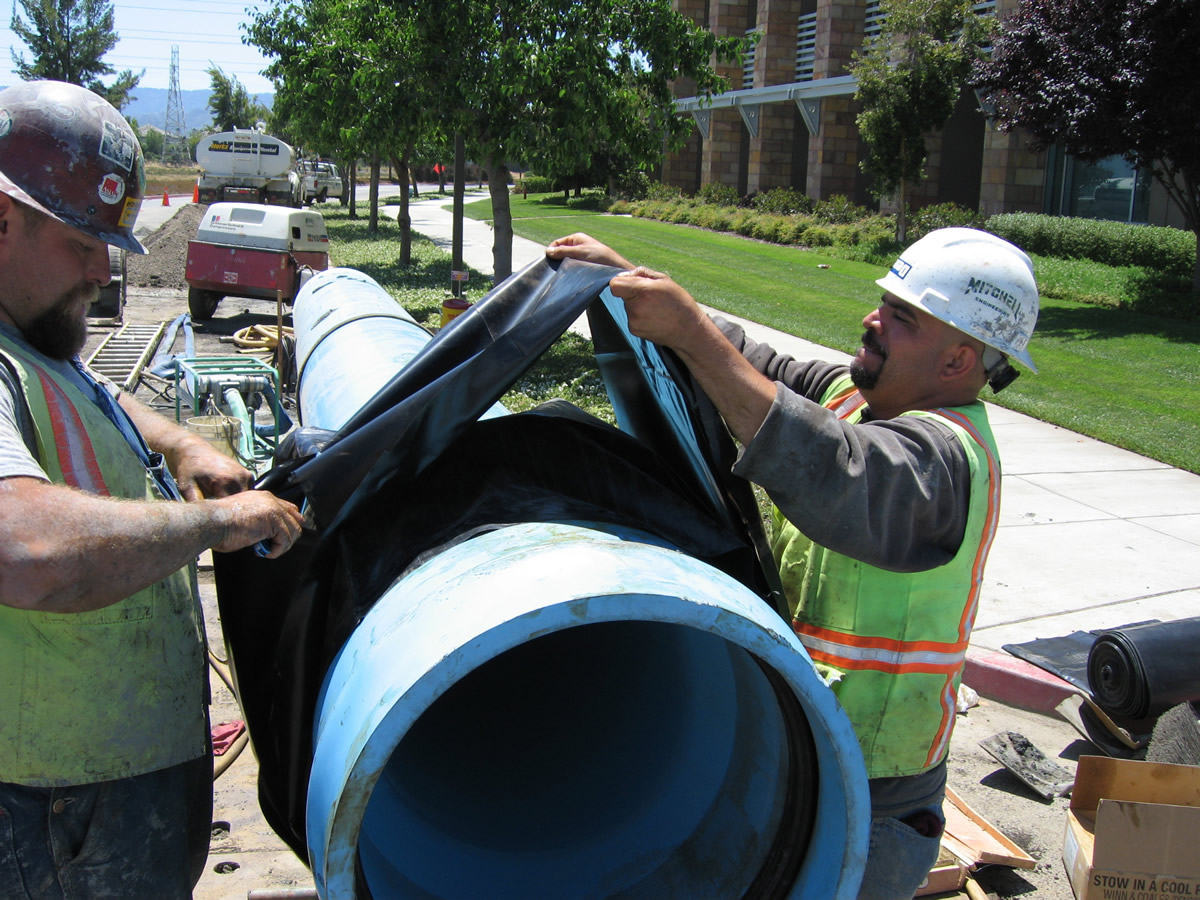
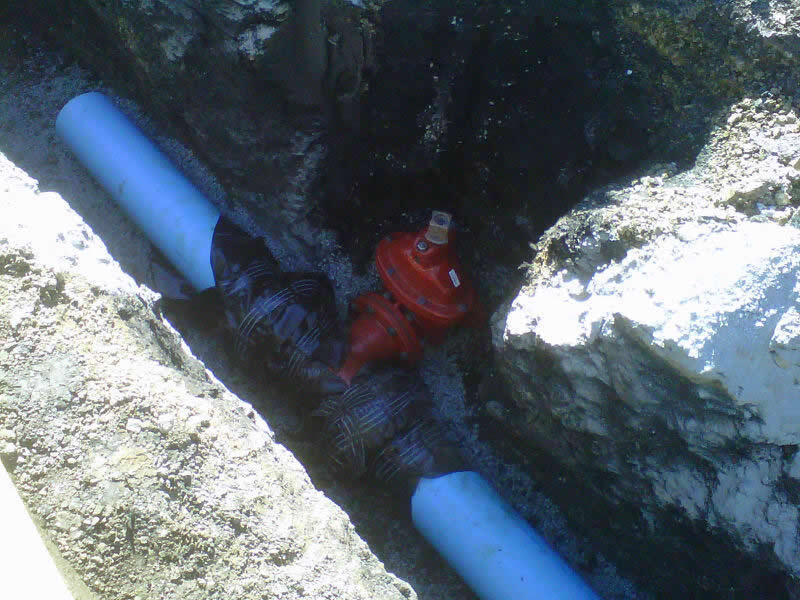
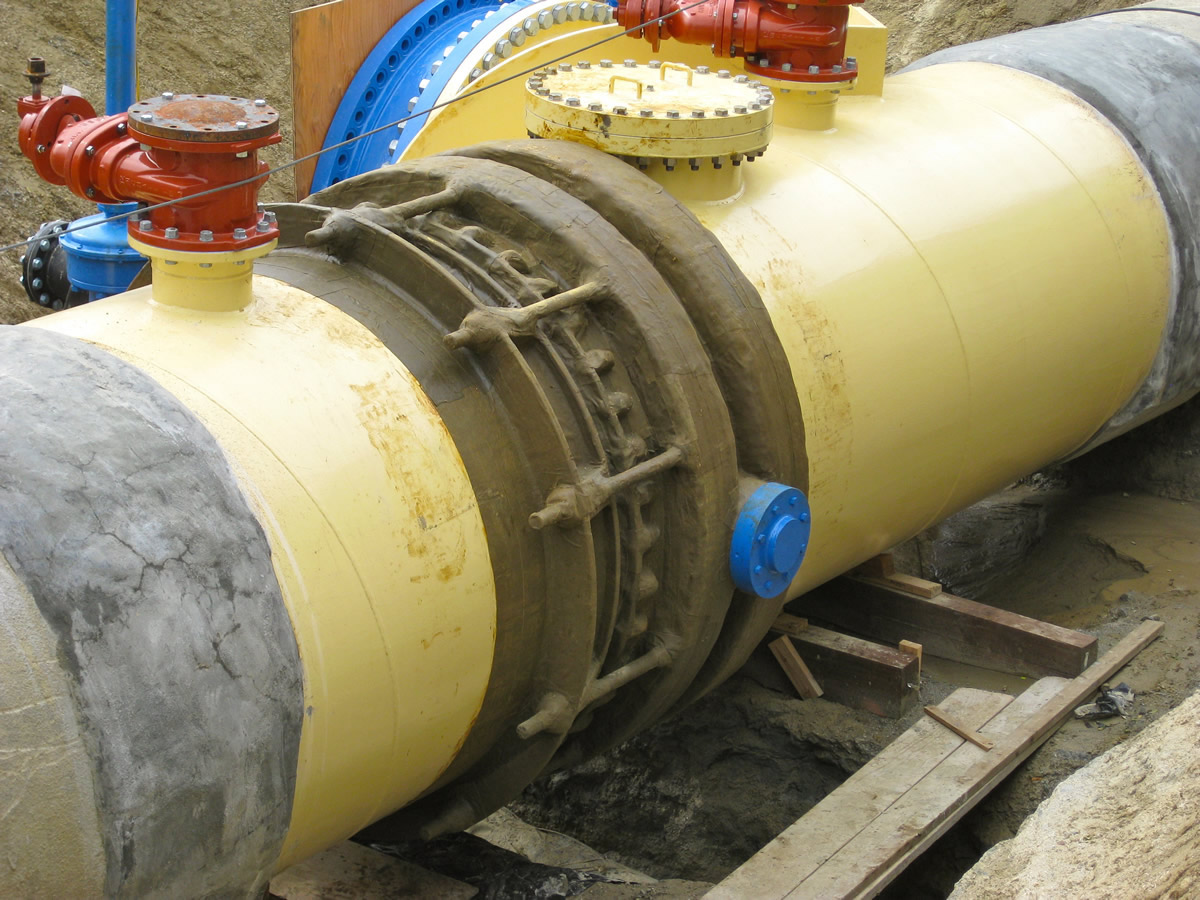
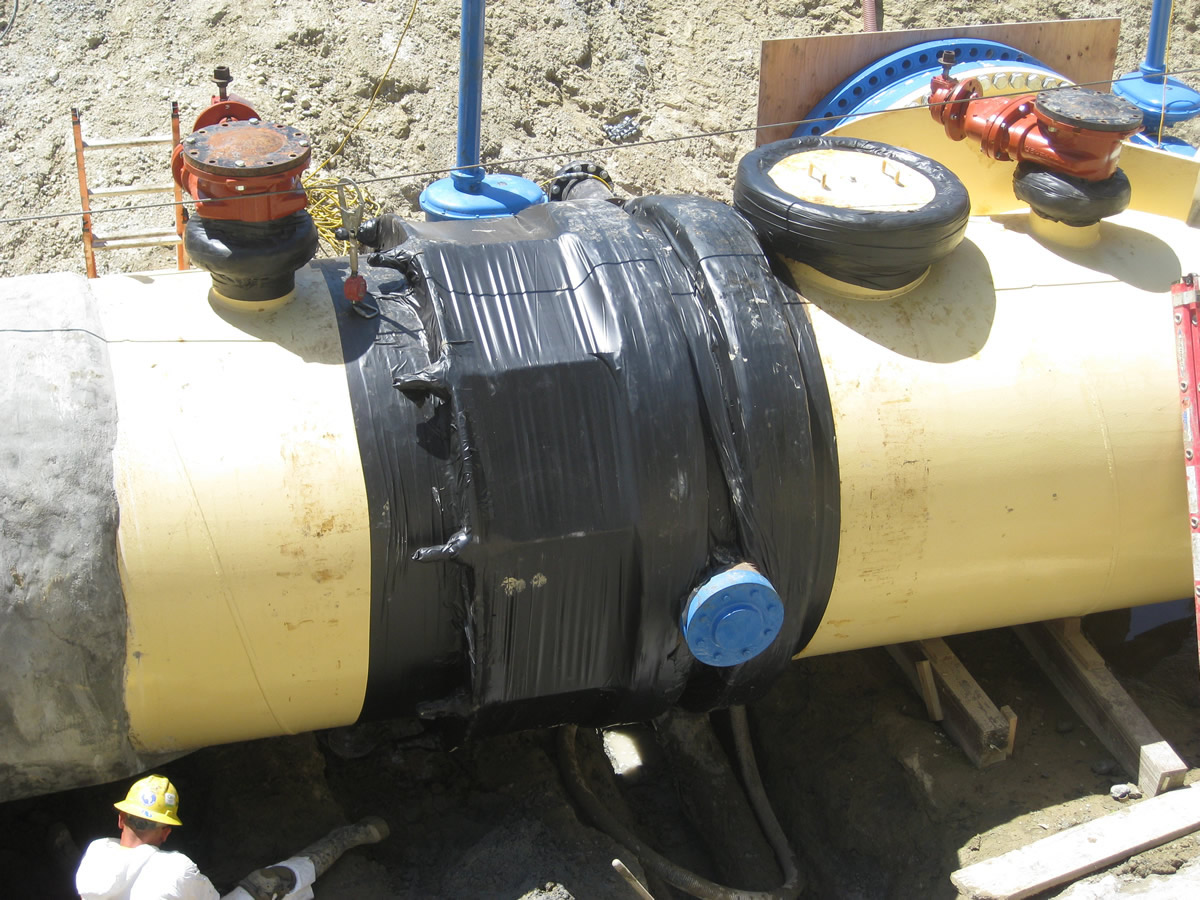
Project: City of Redwood City Reclaimed Water Project
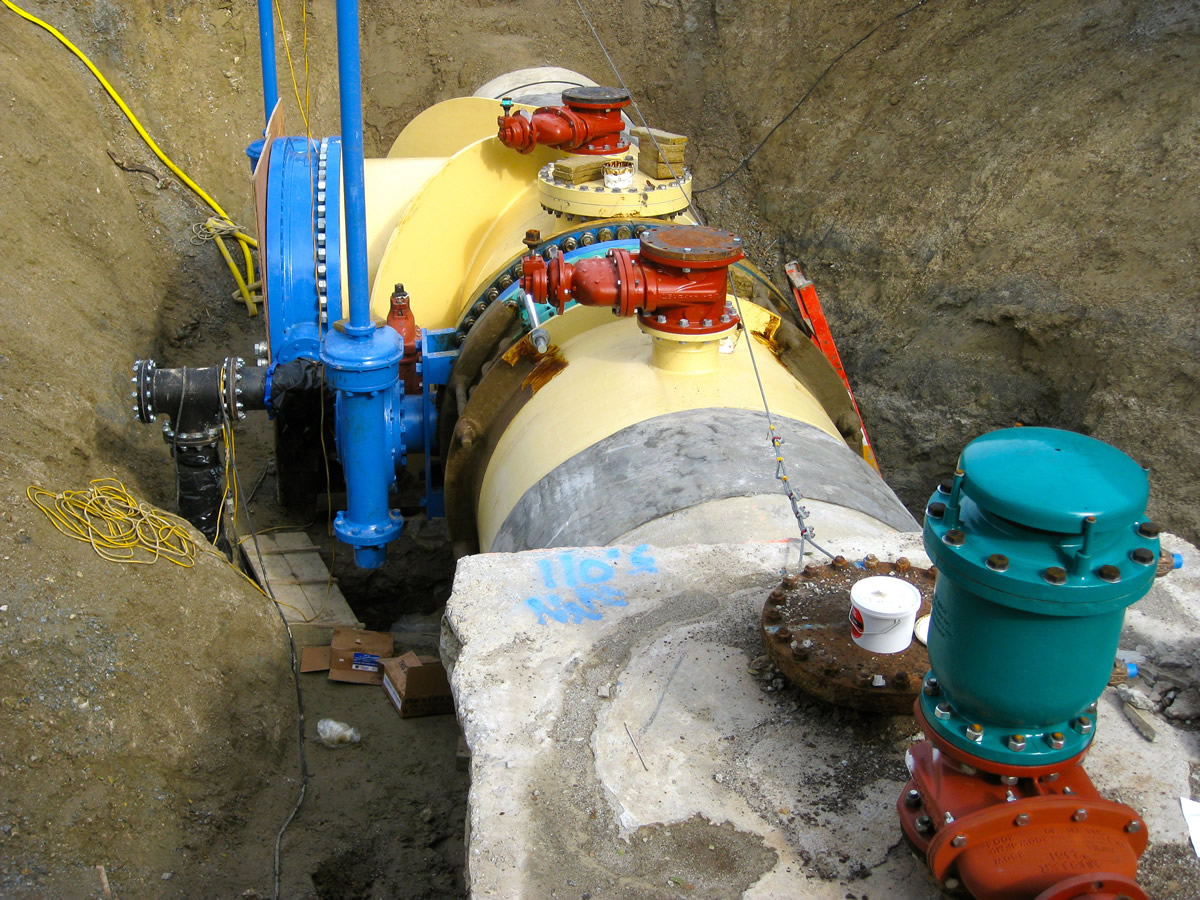
Conditions: Irregular shaped infrastructure with multiple fixtures and restraints requiring protection in aggressive soil environment consisting of highly salt-laden (hot Bay mud) soil. Liquid coating solution not practical.
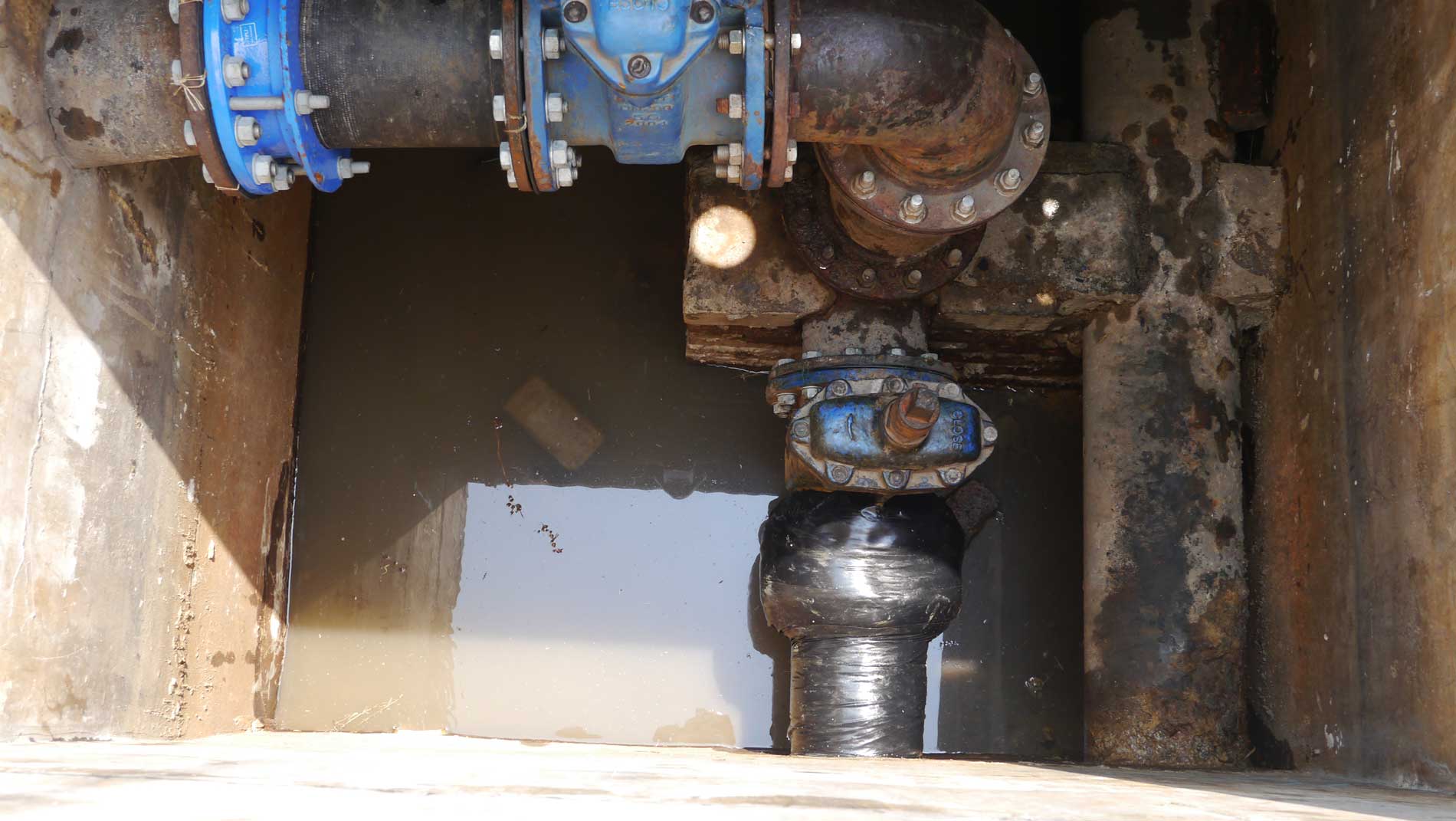
Objective: Permanent corrosion protection of newly installed bell and spigot piping infrastructure.
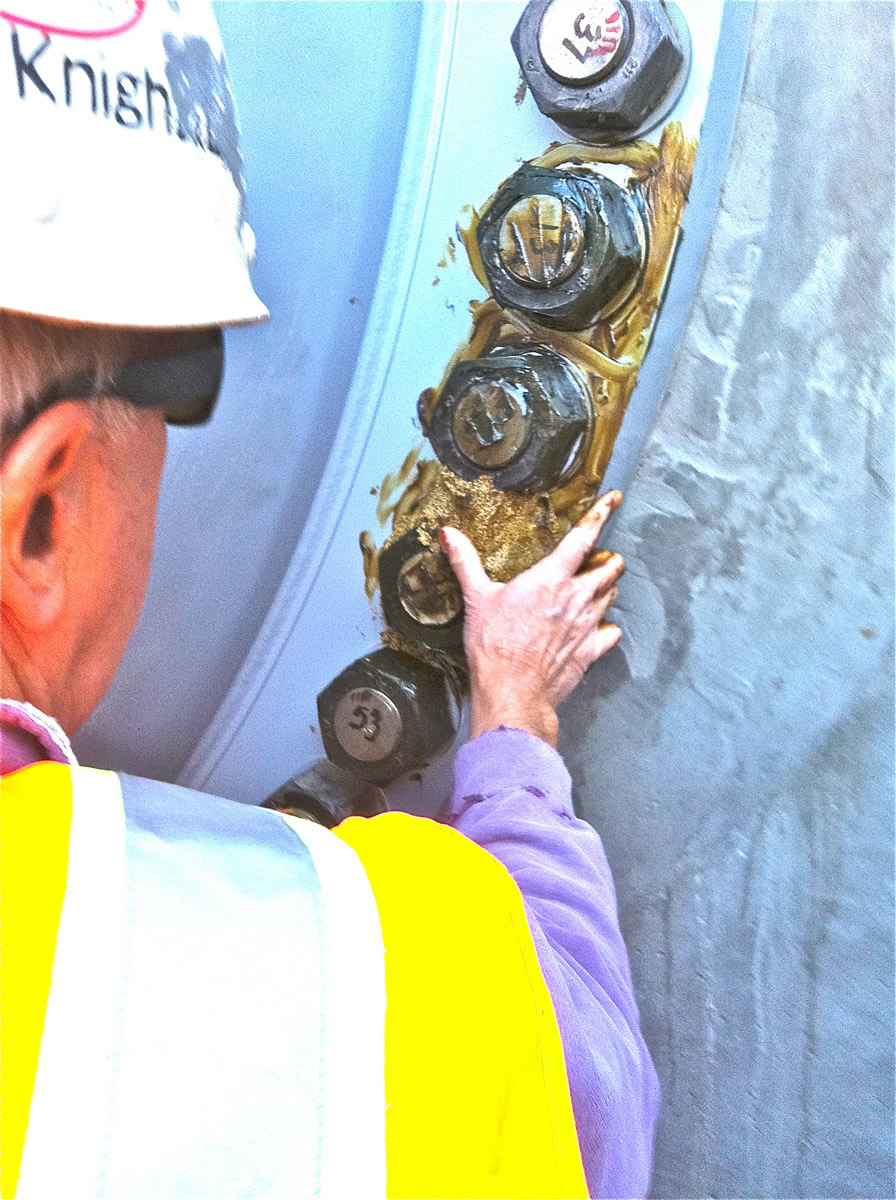
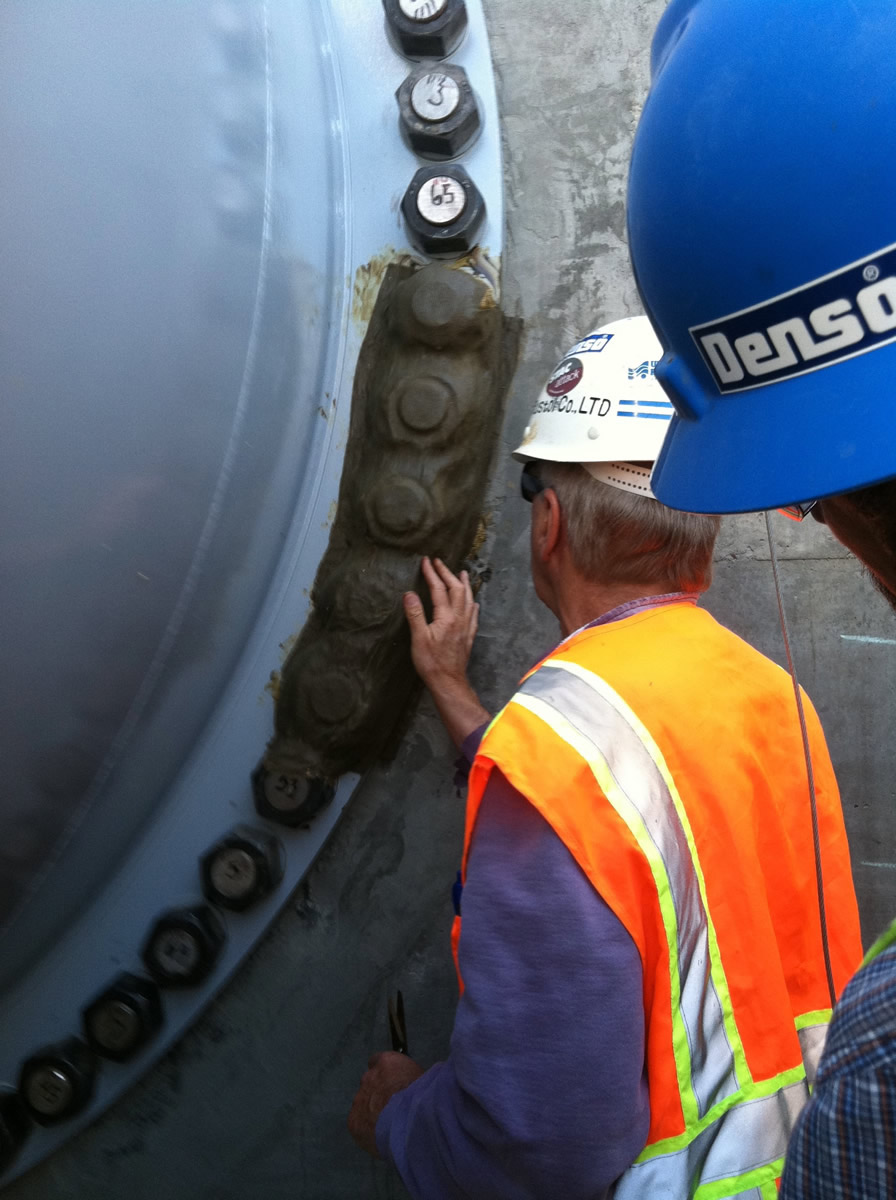
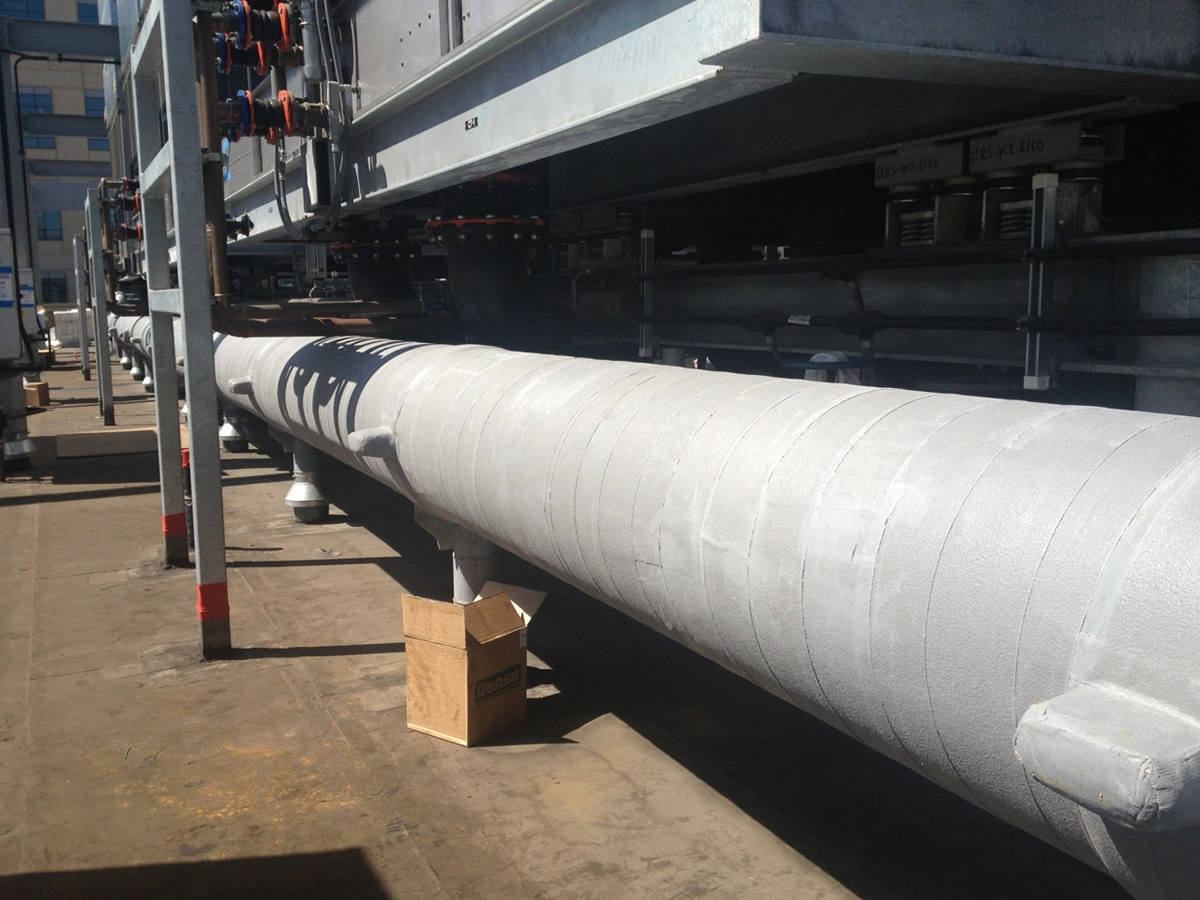
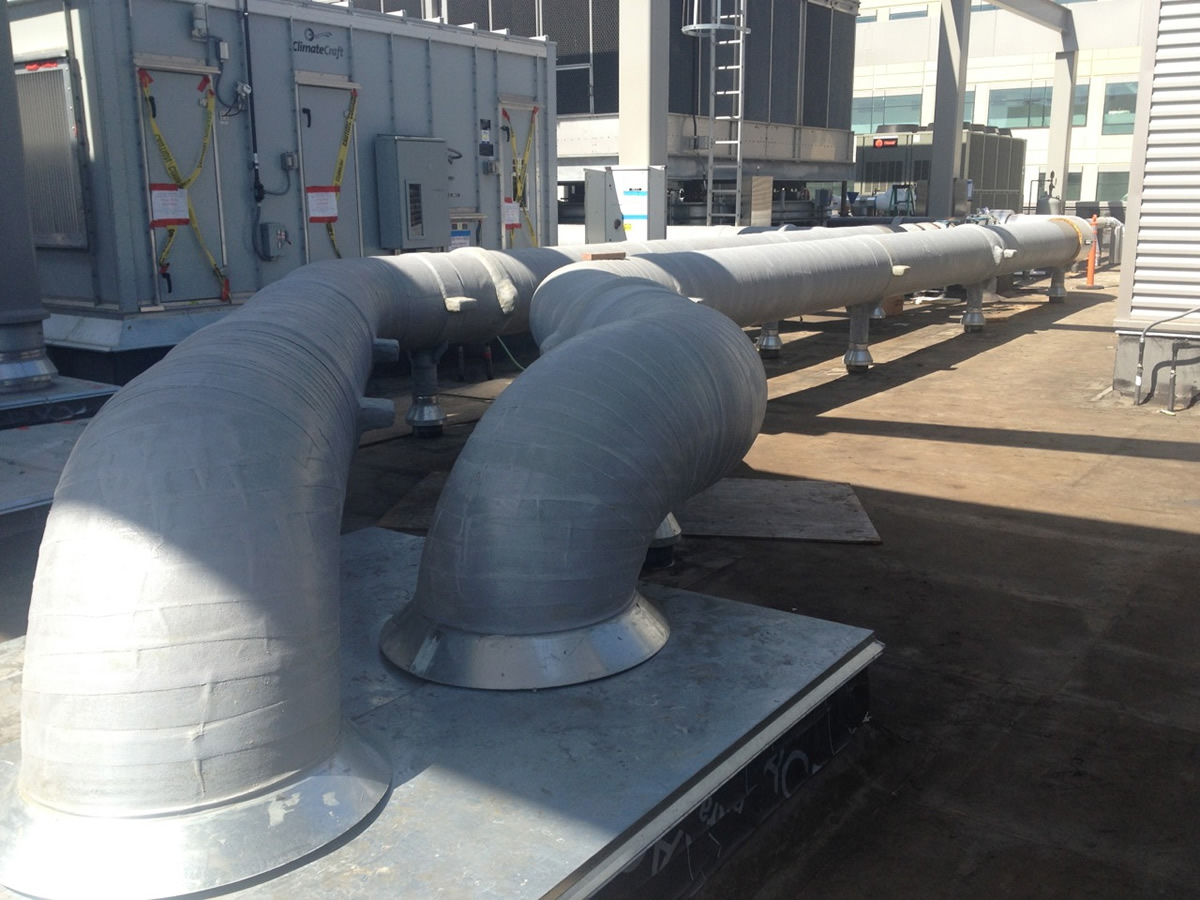
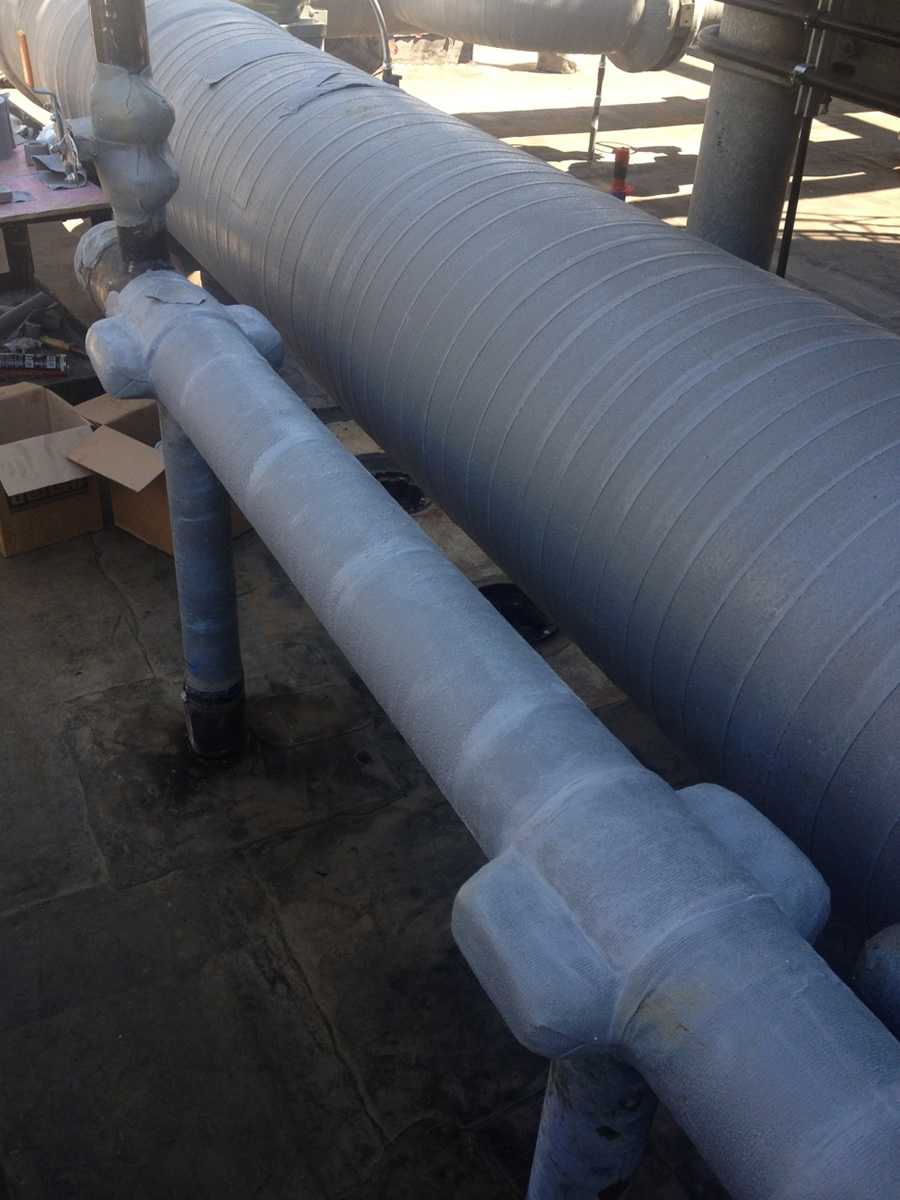
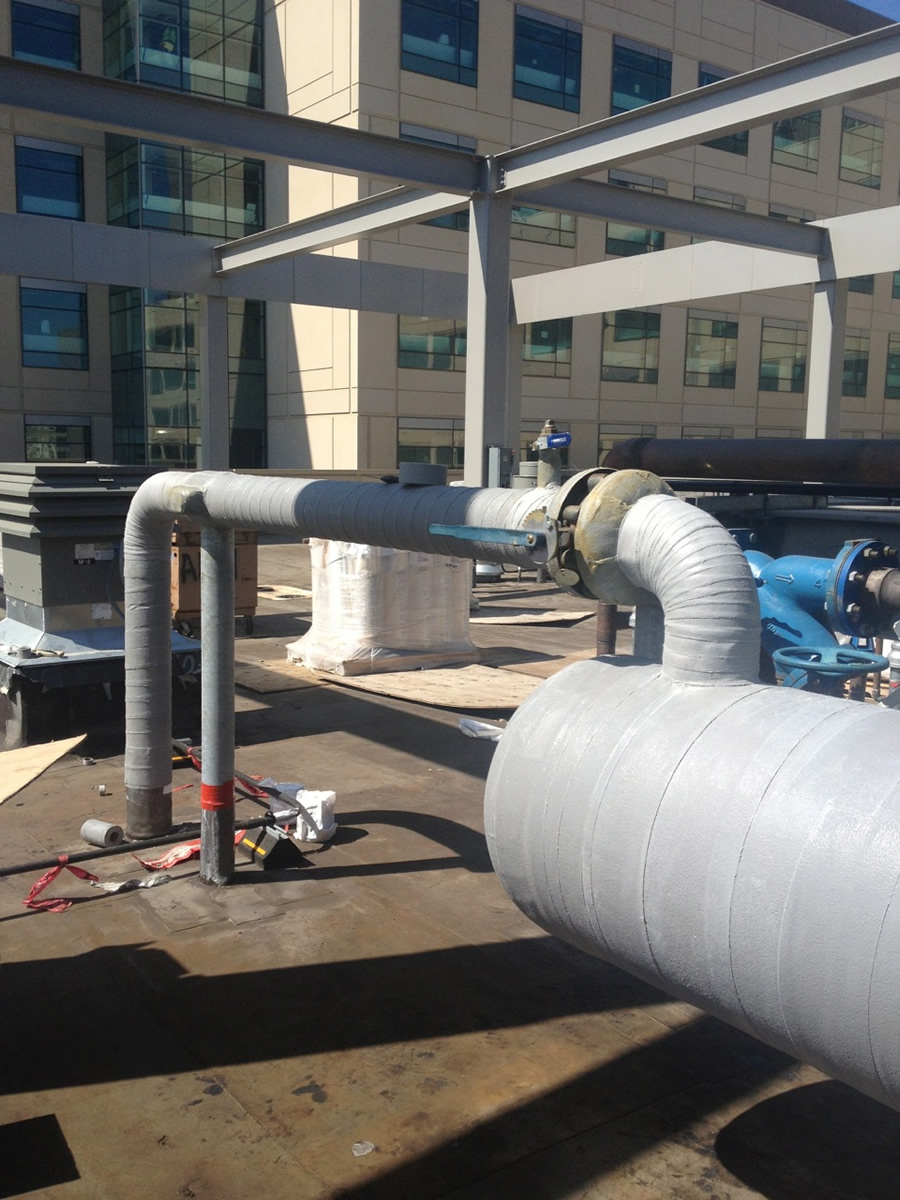
Solution: Denso Paste, Denso Profiling Mastic, Densyl Petrolatum Tape, 10 mil PVC sheeting as final protector against back fill and natural ground shifting.
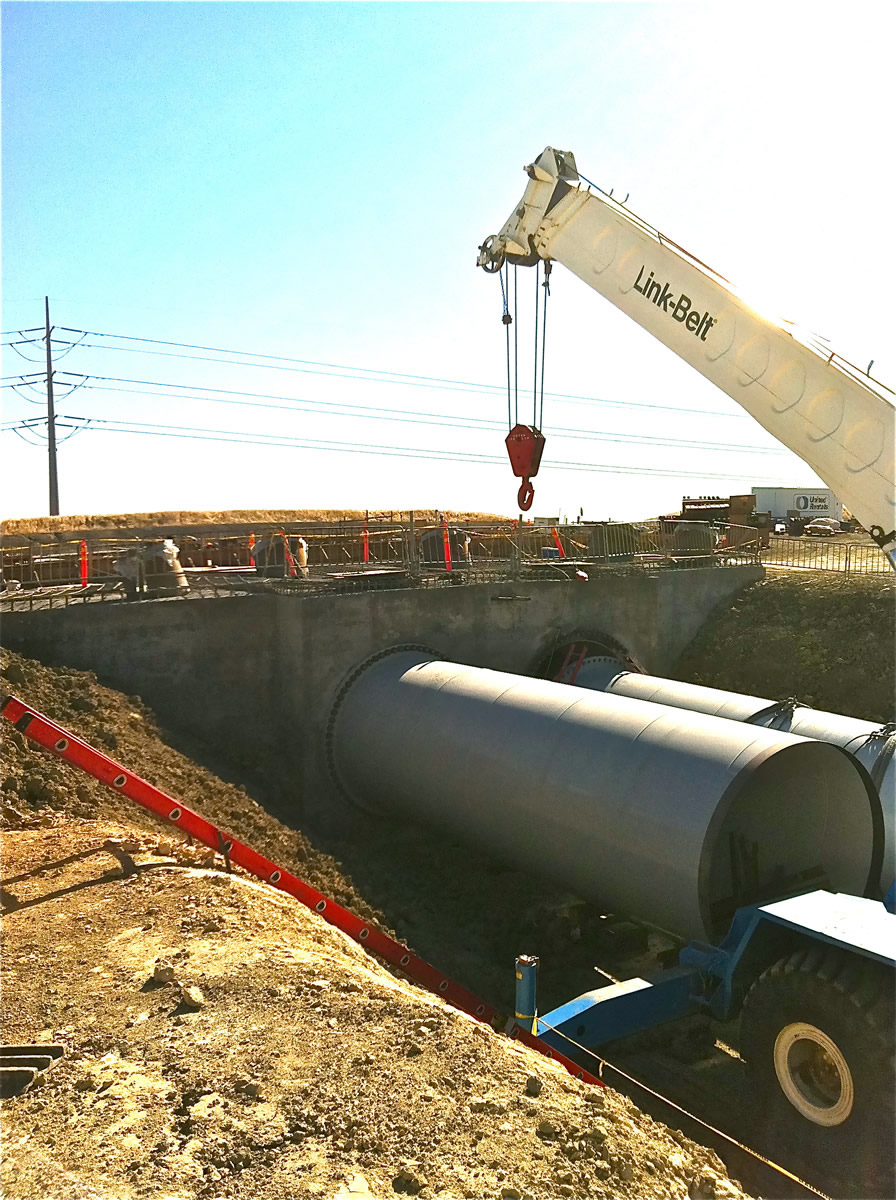
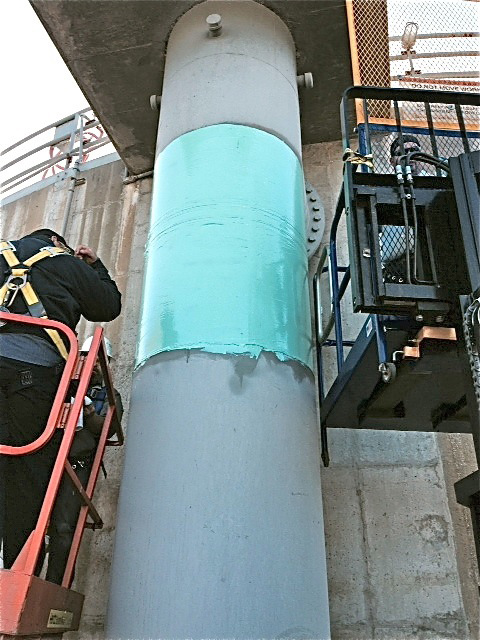
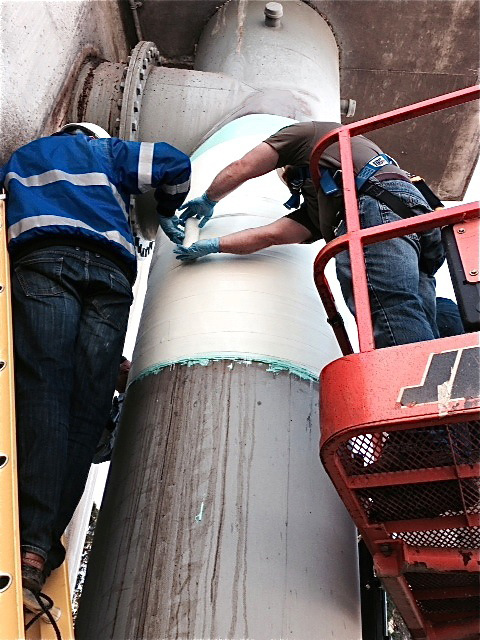
Project: Bridge Water line for 72" diameter Drum Forebay Penstock
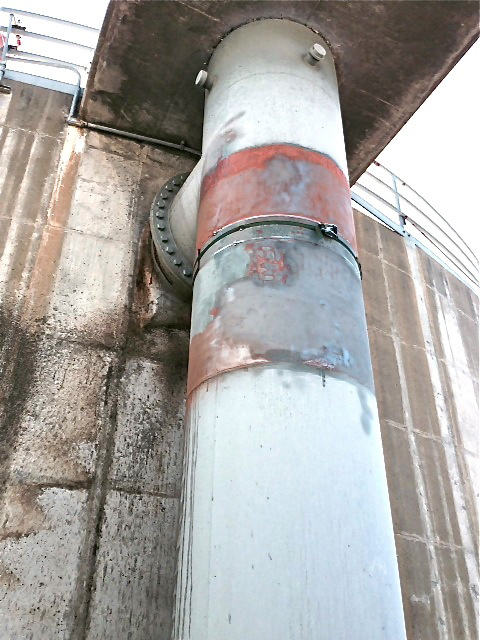
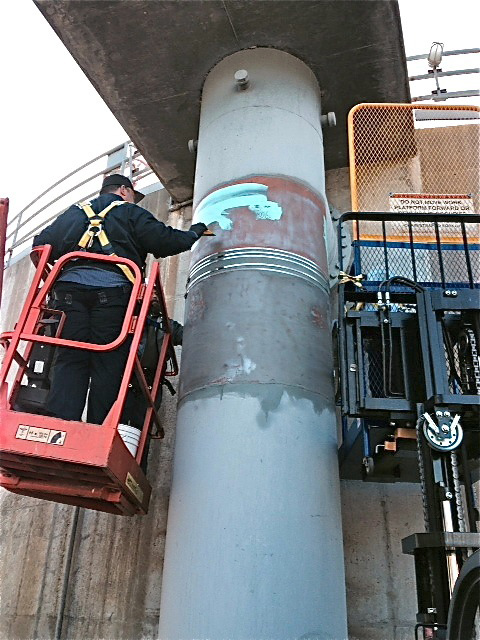
Conditions: Severely corroded, continually sweating 72" diameter penstock containing very cold snow melts water from Drum Forebay to powerhouse.
Objective: provide permanent corrosion protection with minimal surface preparation while avoiding any toxic VOC's release.
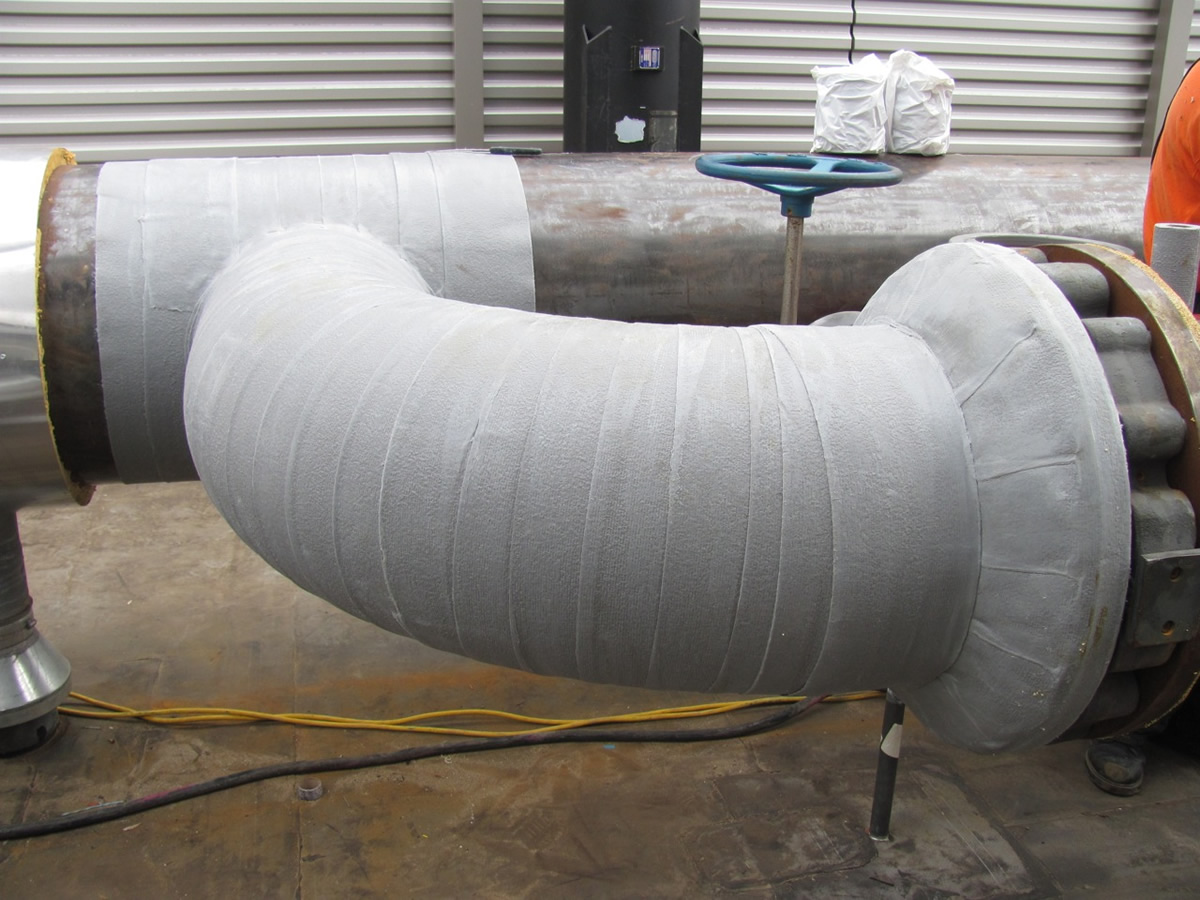
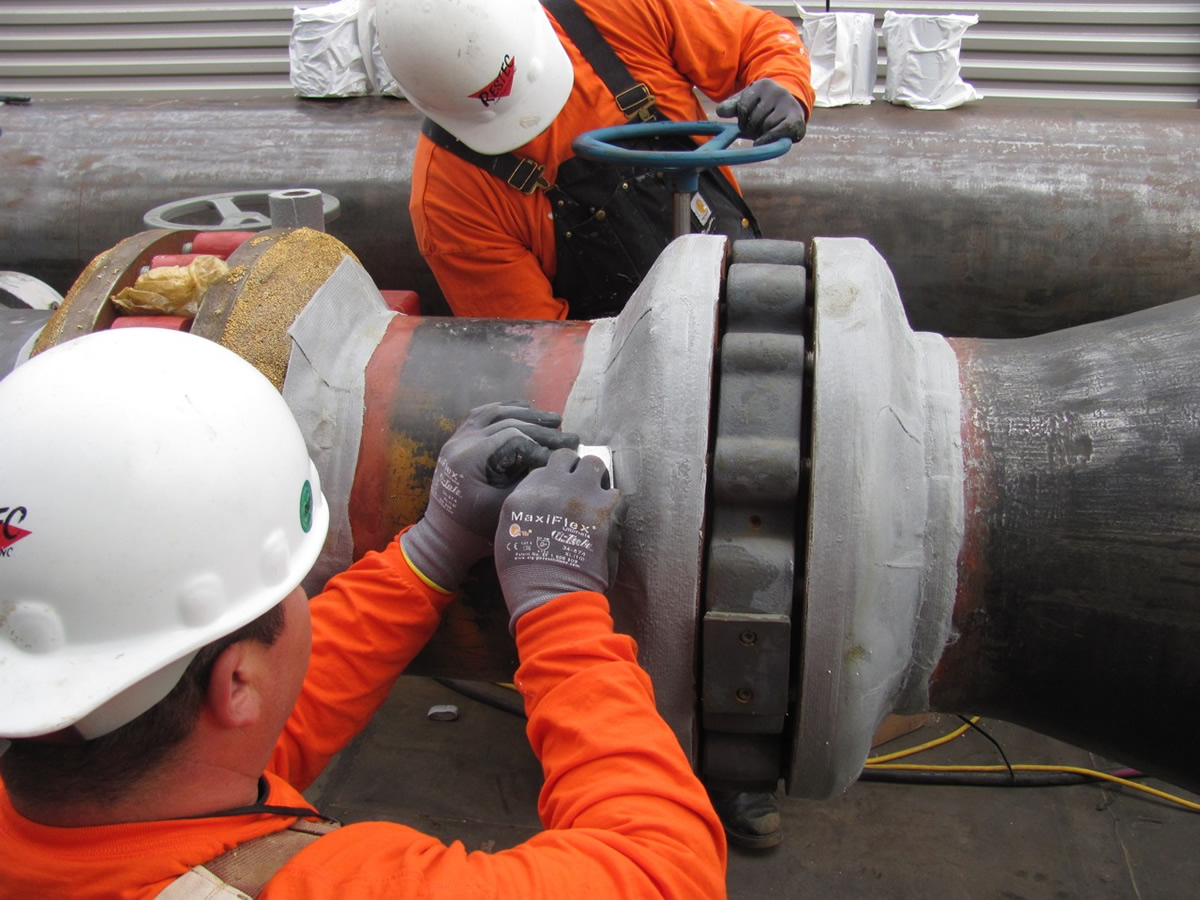
Solution: Personnel devised an ingenious method to efficiently apply 6" STACwrap to a very cold, moist substrate: STACprime was warmed and made markedly lower in viscosity by applying an impeller whipping process. This low viscosity allowed for swift application in the cold conditions. For rivet lines, 3 lengths of 2" STACwrap were rolled into long ropes, pressed into both sides and in between rivets, rather than using a slower more tedious process of applying molding filler in such cold conditions.
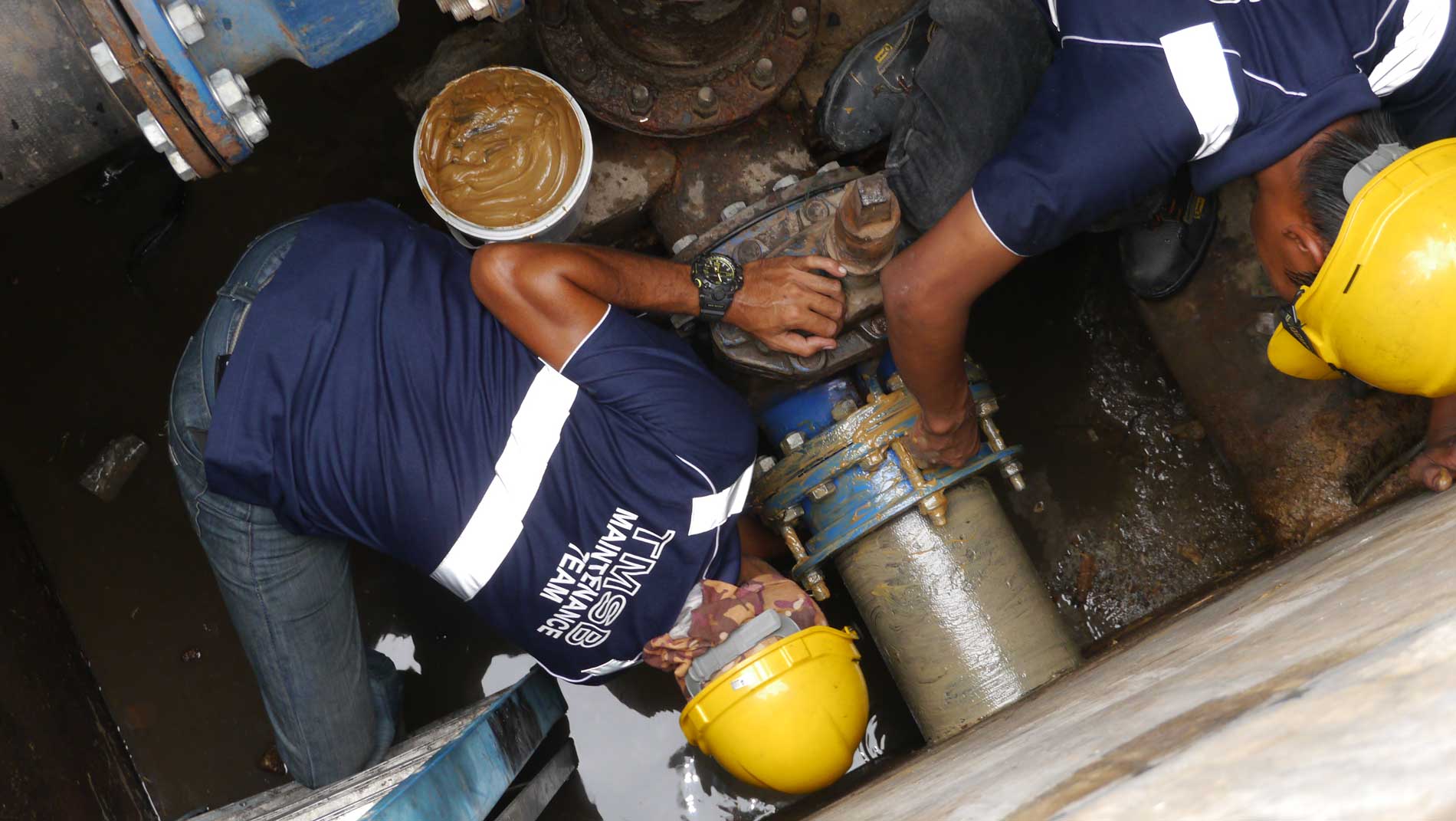
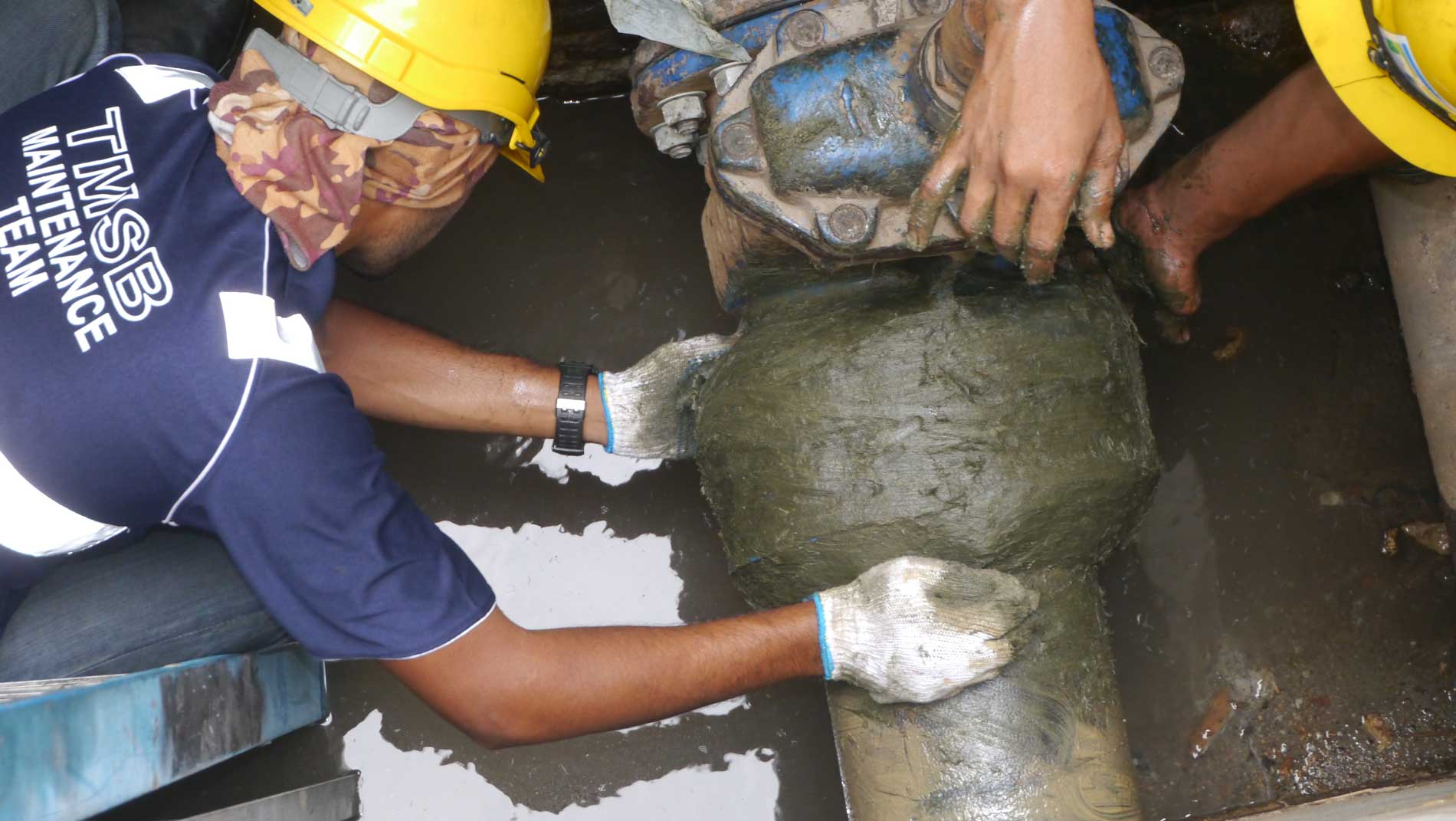
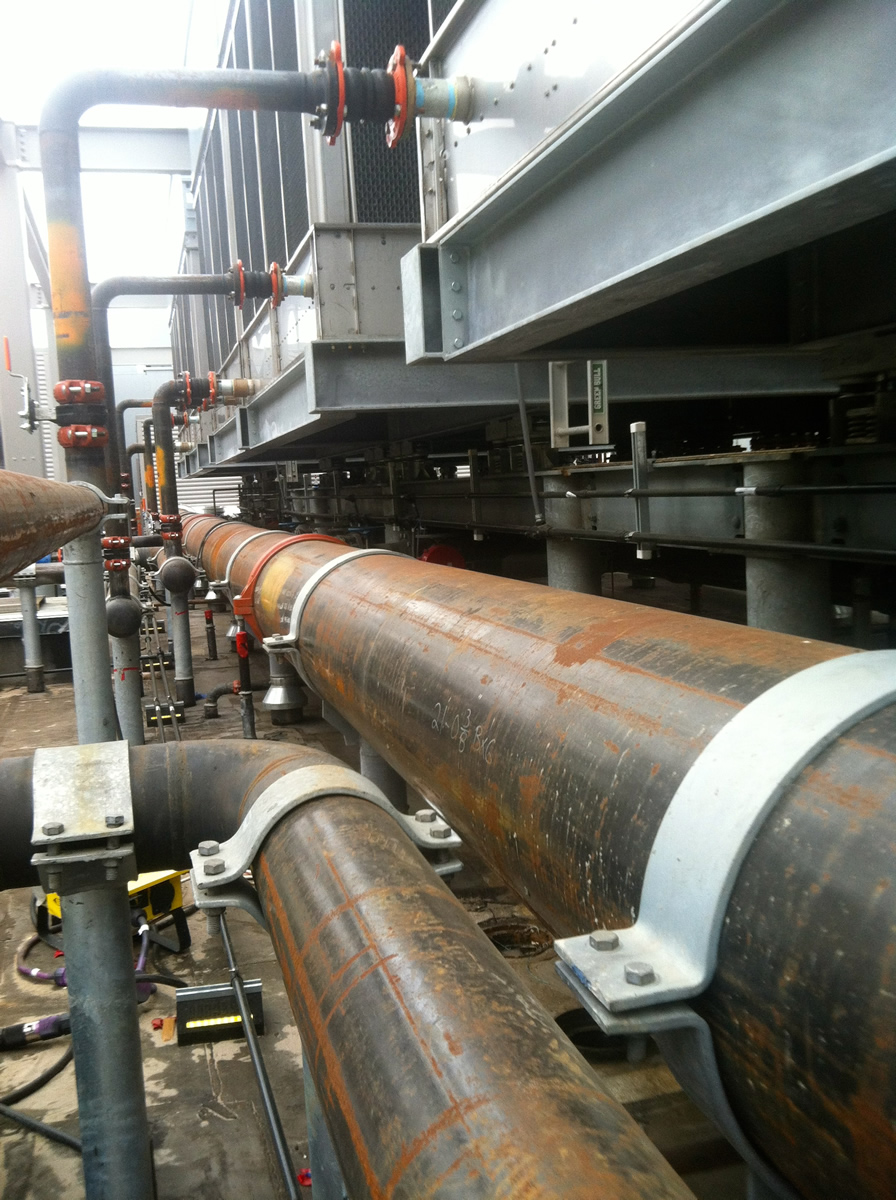
Project: Jackson Meadows Reservoir Water Line
Conditions: 400 feet of 24" and 42" diameter pipes and Dresser coupling sitting on concrete saddle, deep below ground. The tunnel ceiling had continuous water dripping onto work area and temperature often drops well below dew point, causing continuous sweating of pipes. Tunnel is poorly ventilated and a zero VOC'S are permitted. Gaps between pipes and concrete saddle were trapping and holding water.
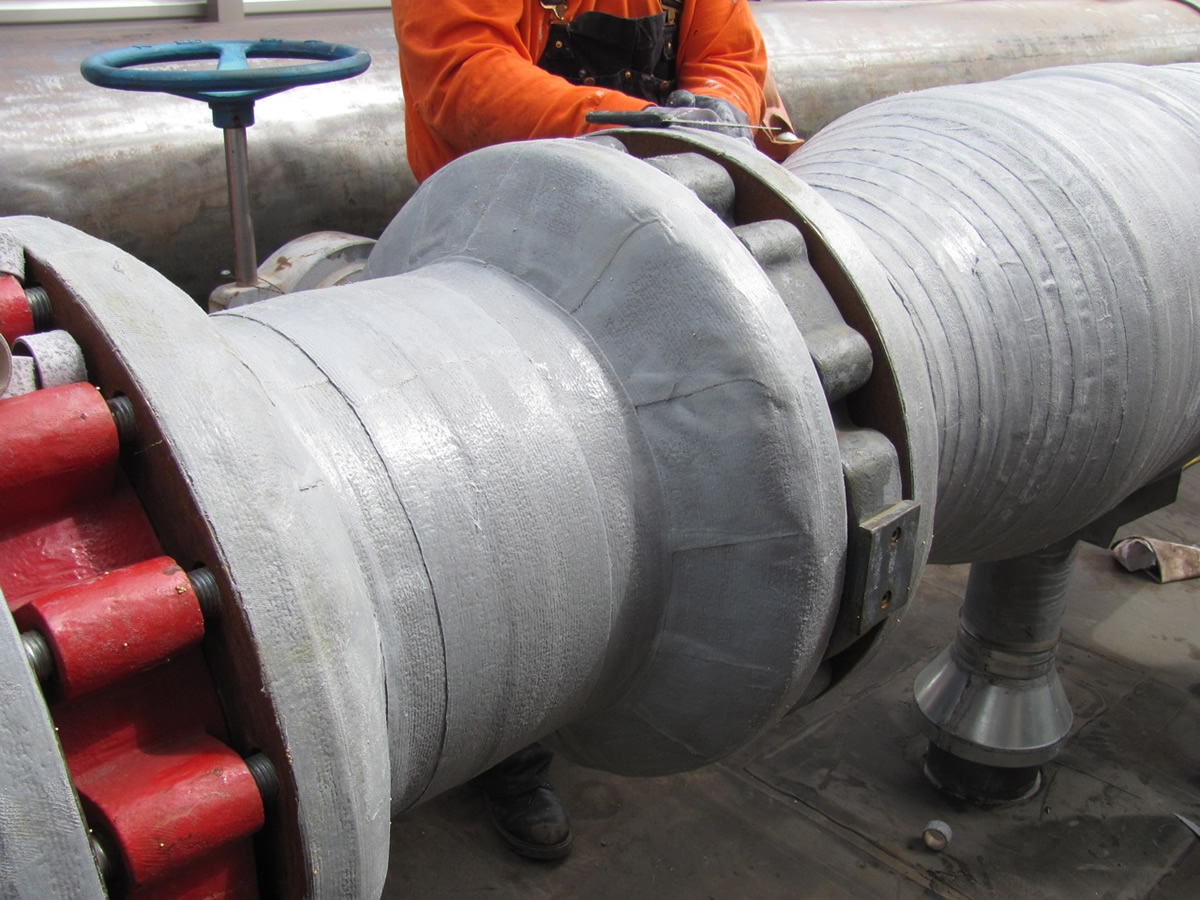
Irregular surfaces- flanges, dresser couplings, gaps between pipe and saddle offered further corrosion challenges. Finally, potential for pipe movement in saddle during and after application required a flexible coating that would not crack or harden over time.
Objective: Eliminate seals and voids between saddle and pipe substrate, while eliminating future water trapping and holding- followed by permanent corrosion protection of 400' of water soaked pipe without release of VOC's. Marginal surface preparation (hand tools) was preferred to sand blast.
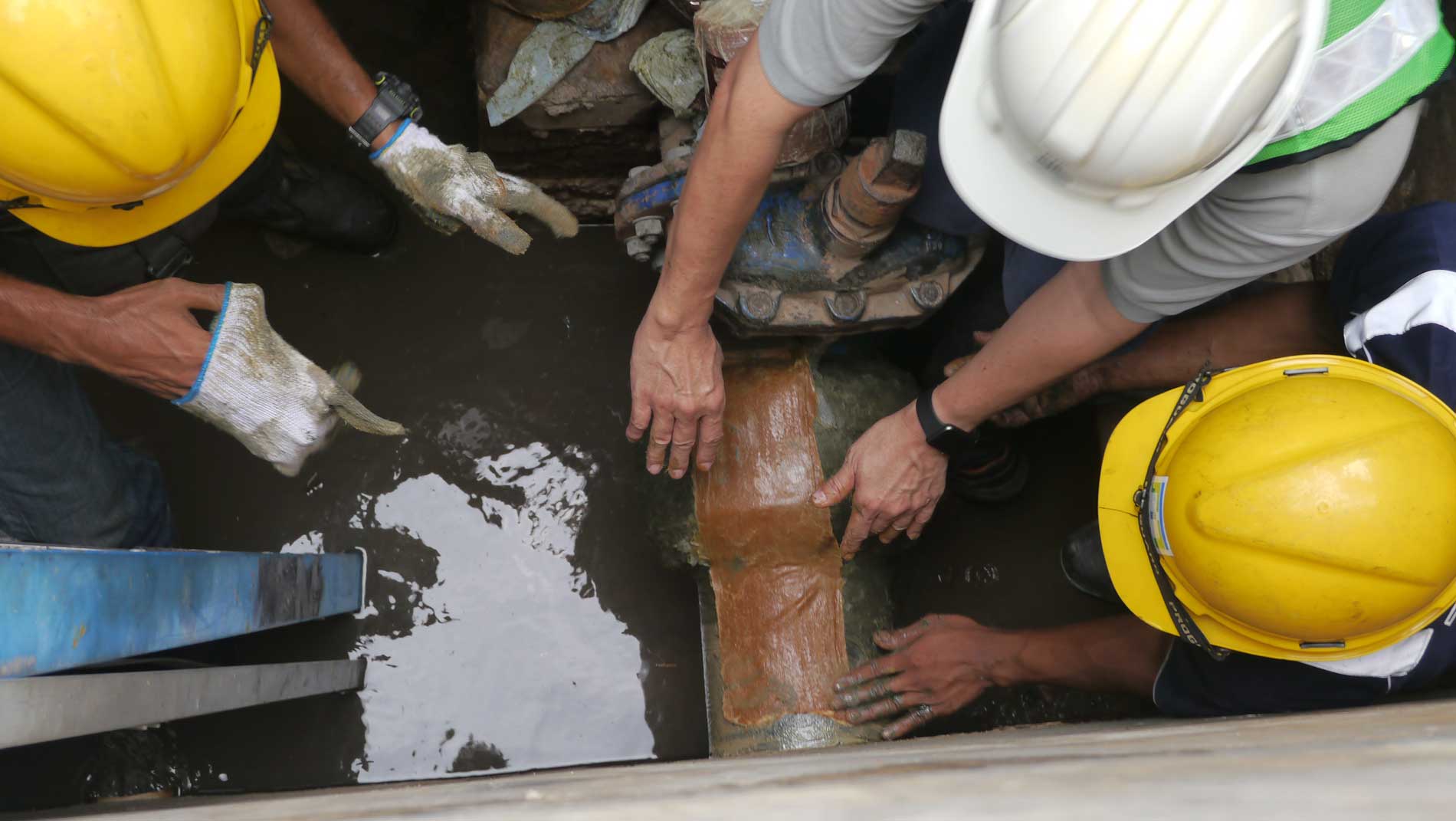
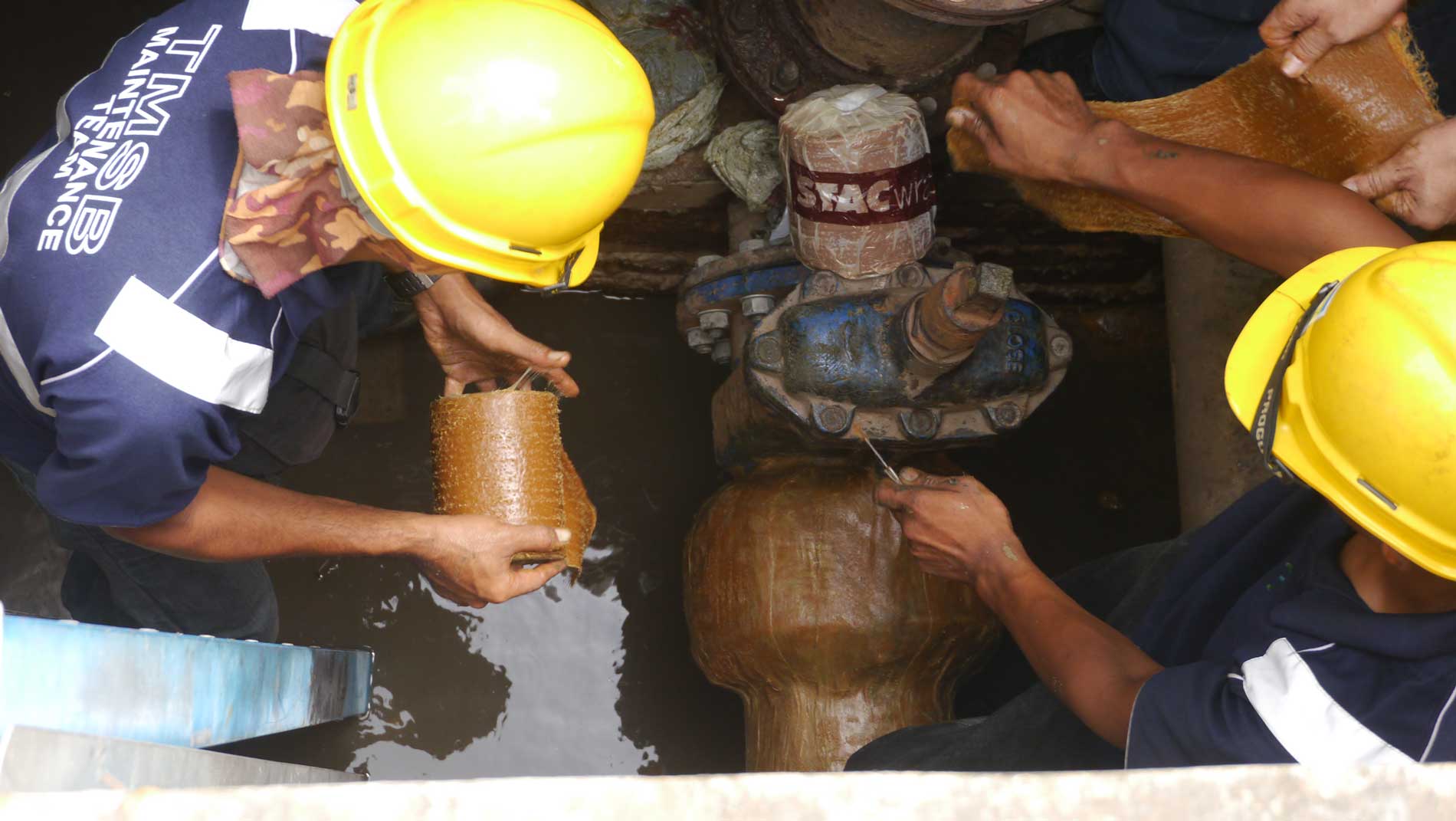
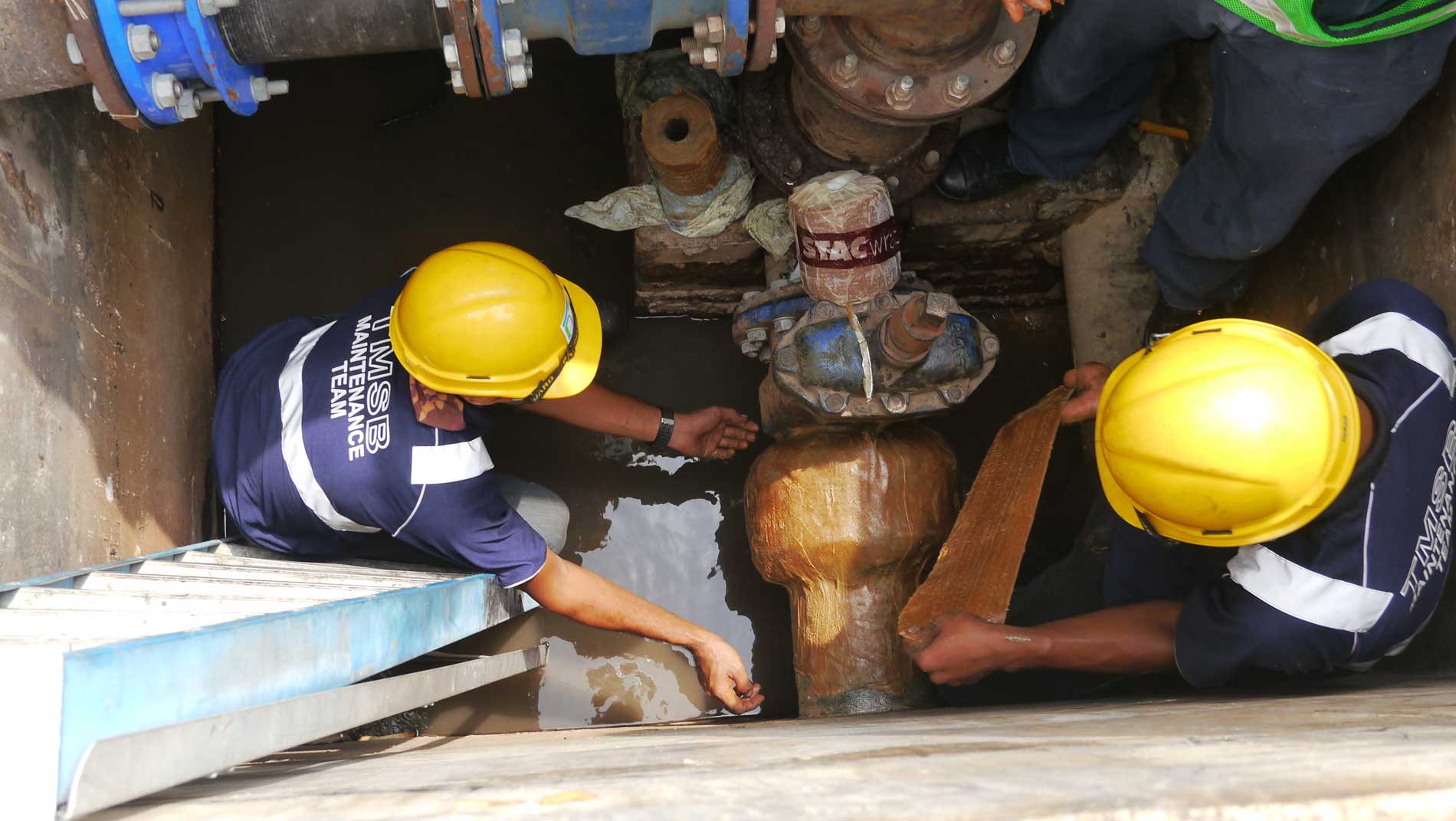
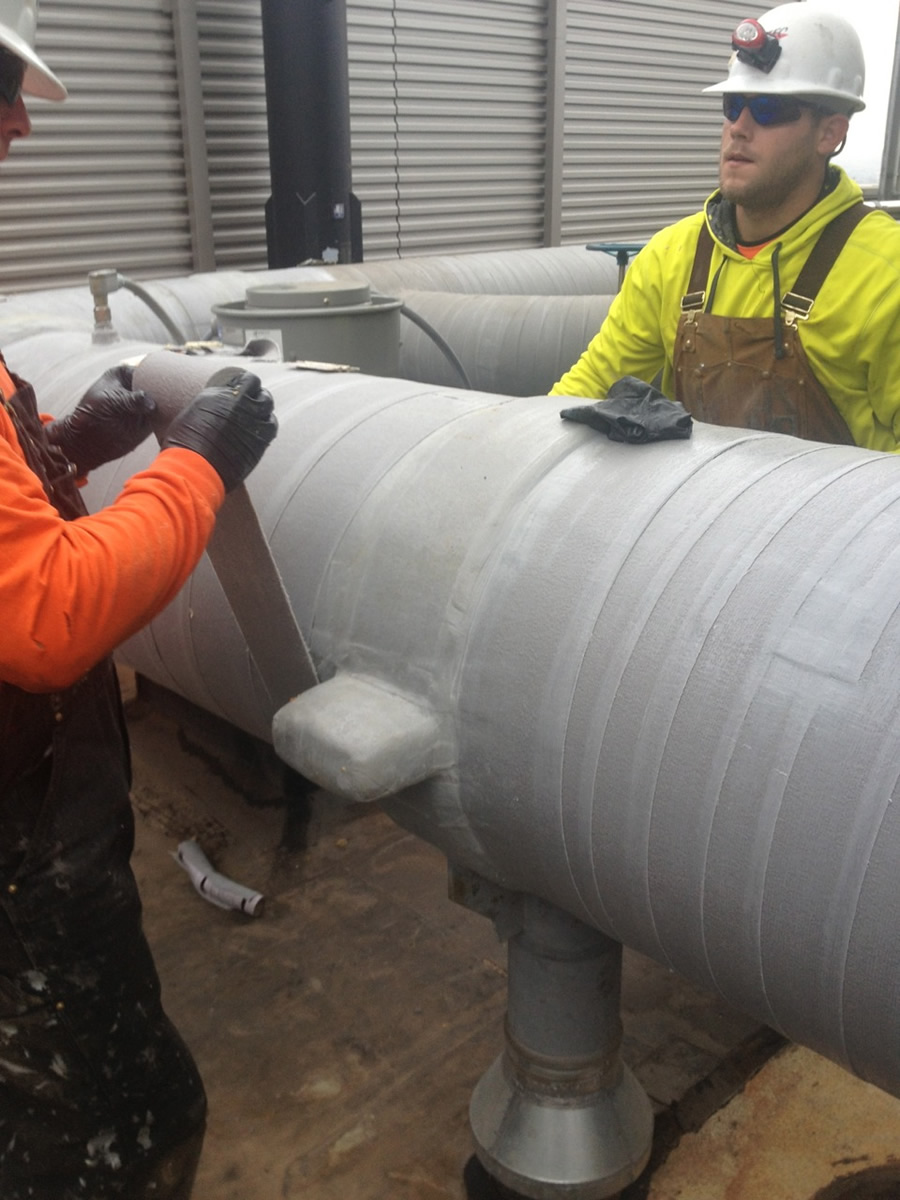
Solution: STACprime, STACfill STACwrap
Spirally wrapped 8" STACwrap on the 24" pipe and 12" STACwrap on the 42" pipe. Surface prep was SSPC-2, i.e., hand tool cleaning with scrapers and wire brush. Tightly adhered coating was left on. The gaps between pipe and saddle was sealed off with primer and profiling mastic providing a highly effective barrier to ingress of moisture. The flexible nature of the STACwrap tape system assured no cracking as a result of pipe movement in the saddle. Dresser couplings and flanges were covered with STACprime, sealed with a thick bead of Stacfill then taped with STACwrap- creating a total seal without voids- and thereby eliminating all points of moisture entrapment. The job was performed by two men and was completed in less than 3 hours.